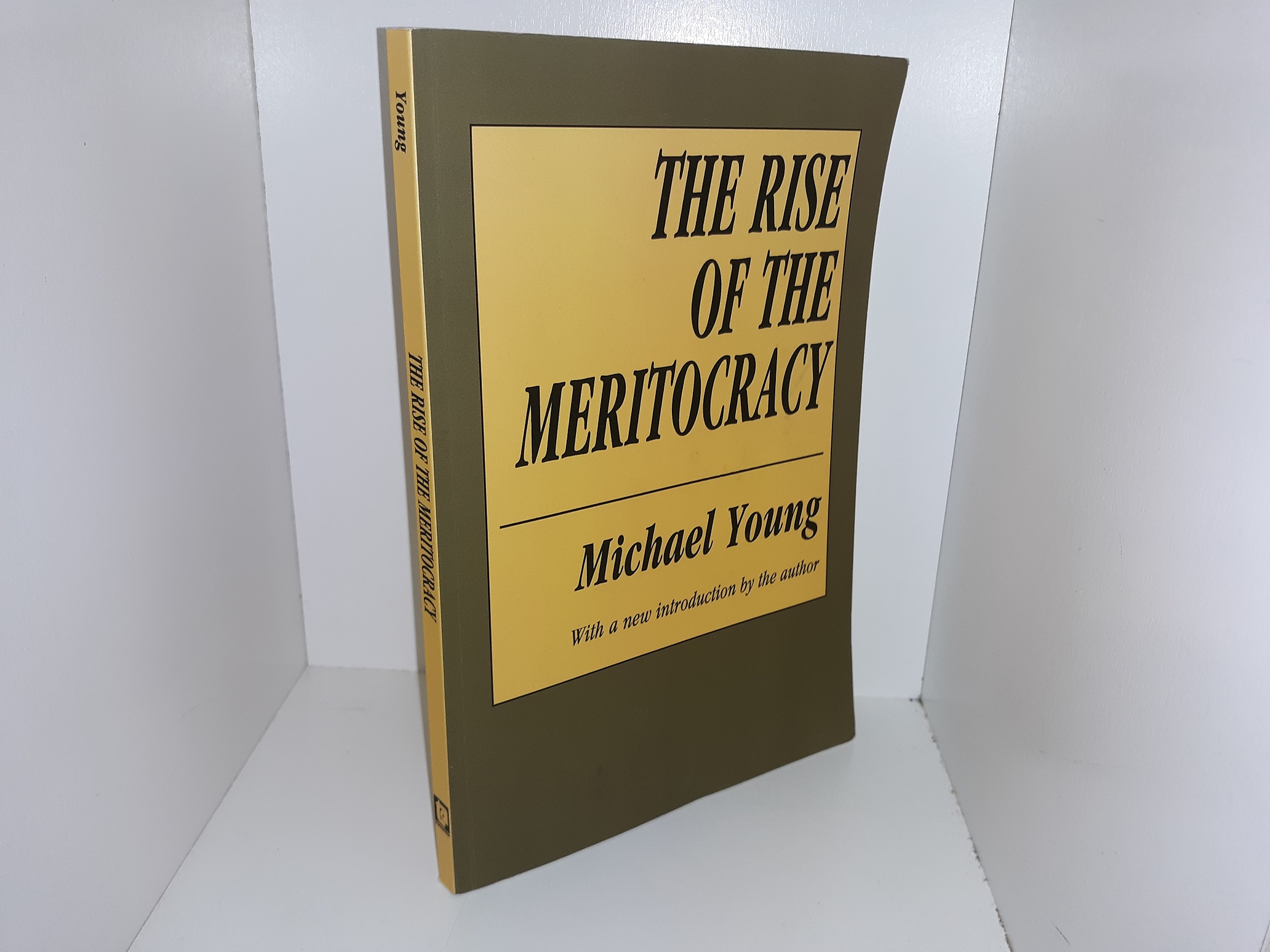
The Rise of the Meritocracy Meritocracy Affirmative Action

Michael Young has christened the oligarchy of the future Meritocracy. Indeed, the word is now part of the English language. It would appear that the formula: IQ+Effort=Merit may well constitute the basic belief of the ruling class in the twenty-first century. Projecting himself into the year 2034, the author of this sociological satire shows.
The Rise of the Meritocracy (2008) by Michael Young Eborn Books
meritocracy. A high proportion of the children with I.Q.s above 125 were offspring of these same adults. The elite by 2034 is on the way to becoming hereditary: the principles of heredity and merit are coming together. The test-ages at which highly reliable predictions of I.Q. can be made has been steadily lowered by the scientists.
The Rise of the Meritocracy by Michael Young Organization and management, Good books, Book

1. Meritocracy: A Brief History. By tradition, Michael Young is credited with coining "meritocracy" for his 1958 satire, The Rise of the Meritocracy.In fact, the term appeared in print two years earlier: In Jean Floud's "Sociology and Education", Alan Fox's "Class and Equality", and Paul Lamartine Yates's "Fairer Shares".
The Rise of the Meritocracy 2084

The Prime Minister, in his statement to the House of Lords, blames administrative fail-ure, but the country appears on the brink of collapse. And so begins Michael Young's satirical, dystopian novel The Rise of the Meri-tocracy.1 Published in 1958, and introducing the word 'meritocracy into our social, cul-' tural and political lexicon.
The Rise of the Meritocracy Pelican, 1970 Country House Library Country House Library

The Rise of the Meritocracy. Michael Young has christened the oligarchy of the future "Meritocracy.". Indeed, the word is now part of the English language. It would appear that the formula: IQ+Effort=Merit may well constitute the basic belief of the ruling class in the twenty-first century. Projecting himself into the year 2034, the author.
The Rise of the Meritocracy A Cautionary Tale No Escape

In The Rise of the Meritocracy, a sociologist in 2034 looks back on the preceding 160 years of education in Great Britain. The book's fictitious "future" (from its publication in 1958 onward) imagines the gradual tri-umph of the IQ-driven education system that had emerged in Great Brit-
Michael Young Meritocracy Quotes Harold Watts

the rise of the meritocracy by michael young. Publication date 1963 Collection printdisabled; internetarchivebooks Contributor Internet Archive Language English. Notes. some text cut due to tight binding. Access-restricted-item true Addeddate 2023-02-10 00:46:12 Autocrop_version ..14_books-20220331-.2.
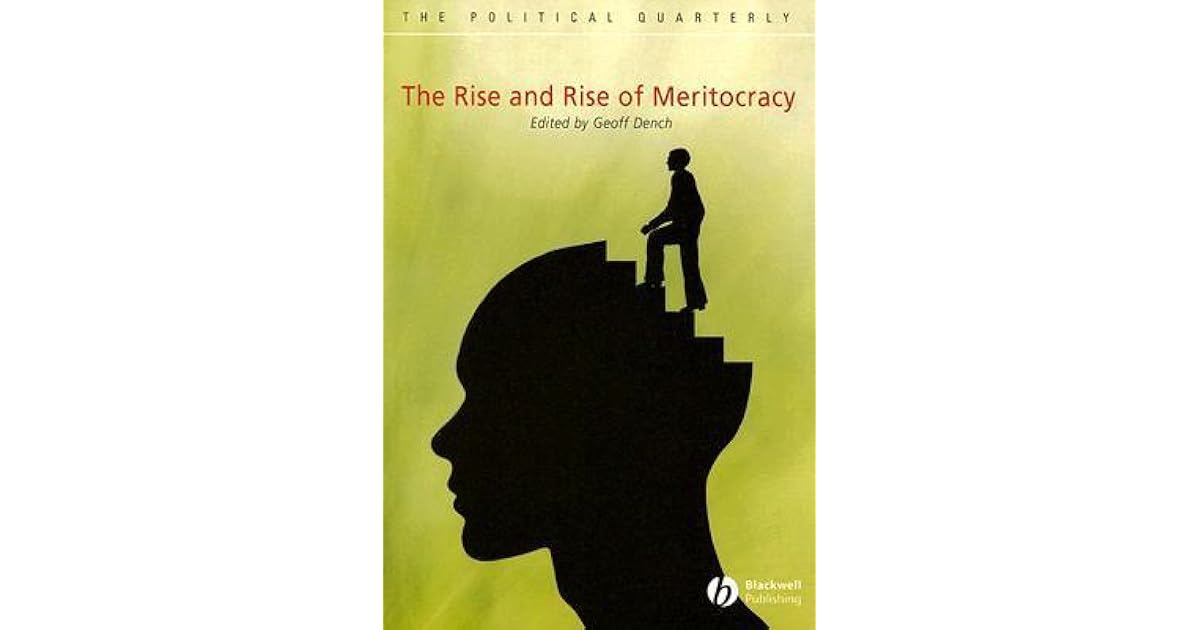
The Rise and Rise of Meritocracy by Geoff Dench
Meritocracy (merit, from Latin mereō, and -cracy, from Ancient Greek κράτος kratos 'strength, power') is the notion of a political system in which economic goods or political power are vested in individual people based on ability and talent, rather than wealth, social class, or race. Advancement in such a system is based on performance, as measured through examination or demonstrated.
The Birth of Meritocracy Michael Young, The Rise of the Meritocracy and PostWar British

Sixty years after its publication, Michael Young's The Rise of the Meritocracy remains one of the most important texts for understanding the changing intellectual politics of postwar Britain. Young's fictional vision of a meritocratic society explores the consequences of a society where each citizen is judged according to the formula 'I.Q. + Effort = Merit'.
The Rise of the Meritocracy YouTube

The Rise of the Meritocracy, by the British sociologist, politician, activist, and social innovator Michael Dunlop Young (1915-2002), is considered a classic work in the sociology of education and one of the most notable academic bestsellers (before they became just another vehicle of promoting "superstars" in both the publishing industry and academia (Krueger 2019)).
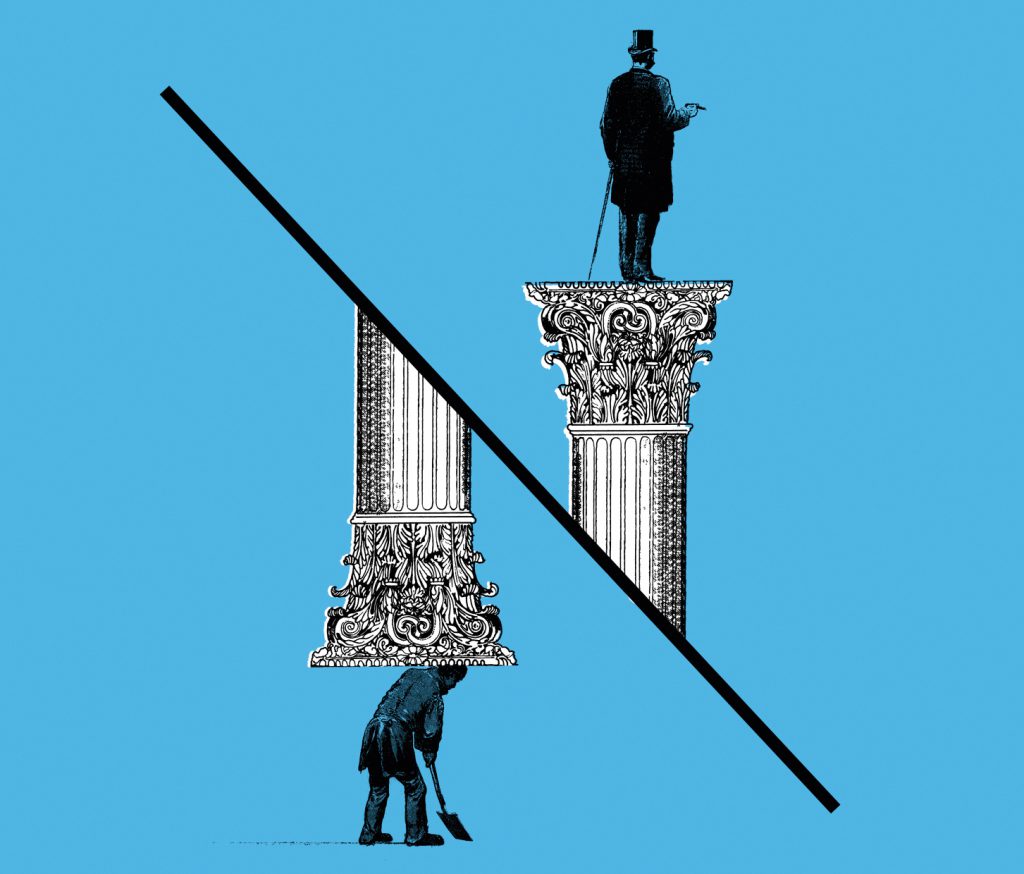
The myths of meritocracy
Young's neologism, 'meritocracy', has since been transformed from a pejorative term to a positive ideal, invoked by political leaders such as Tony Blair - much to Young's chagrin (Young, 1994/2006, 2001). In The Rise of the Meritocracy Young argued that meritocracy would only per-petuate inequalities, and to some extent his predictions were.
The Rise of the Meritocracy Review Meritocracy Sociology

The rise of the meritocracy by Young, Michael Dunlop, 1915-2002. Publication date 1994 Topics Intellectuals, Progress, Elite (Social sciences), Social status Publisher New Brunswick, N.J., U.S.A : Transaction Publishers Collection printdisabled; internetarchivebooks Contributor Internet Archive
The Rise of the Meritocracy by Michael Young
Description. Michael Young has christened the oligarchy of the future "Meritocracy." Indeed, the word is now part of the English language. It would appear that the formula: IQ+Effort=Merit may well constitute the basic belief of the ruling class in the twenty-first century. Projecting himself into the year 2034, the author of this sociological.
Introduction Meritocracy in Perspective. The Rise of the Meritocracy 60 Years On Civil 2020

ABSTRACT This paper examines Michael Young's 1958 dystopia, The Rise of the Meritocracy. In this book, the word 'meritocracy' was coined and used in a pejorative sense. Today, however, meritocracy represents a positive ideal against which we measure the justice of our institutions. This paper argues that, when read in the twenty-first century, Young's dystopia does little to dislodge the.
(PDF) The Rise of the Meritocracy El surgimiento de la categoría meritocracia

Michael Young's The Rise of the Meritocracy was a warning against a system of political rule, not a plea for opportunities for all. Humans were reduced to units of merit. Neoliberalism has since.
Bookjacket. The Rise of the Meritocracy YouTube

The Rise of the Meritocracy is an unconventional and enigmatic text, exploring the utopian and dystopian visions of meritocracy which were prevalent in postwar Britain. While his conception of meritocracy is largely a static one, Young's fictional author highlights how the concept became hegemonic, with the tacit agreement of both.
.